Back to Blog
World NewsMiddle EastGeopoliticsInternational
Middle East Geopolitics: Complex Dynamics and Regional Transformations
Geopolitical Analyst6 min readOctober 5, 2026
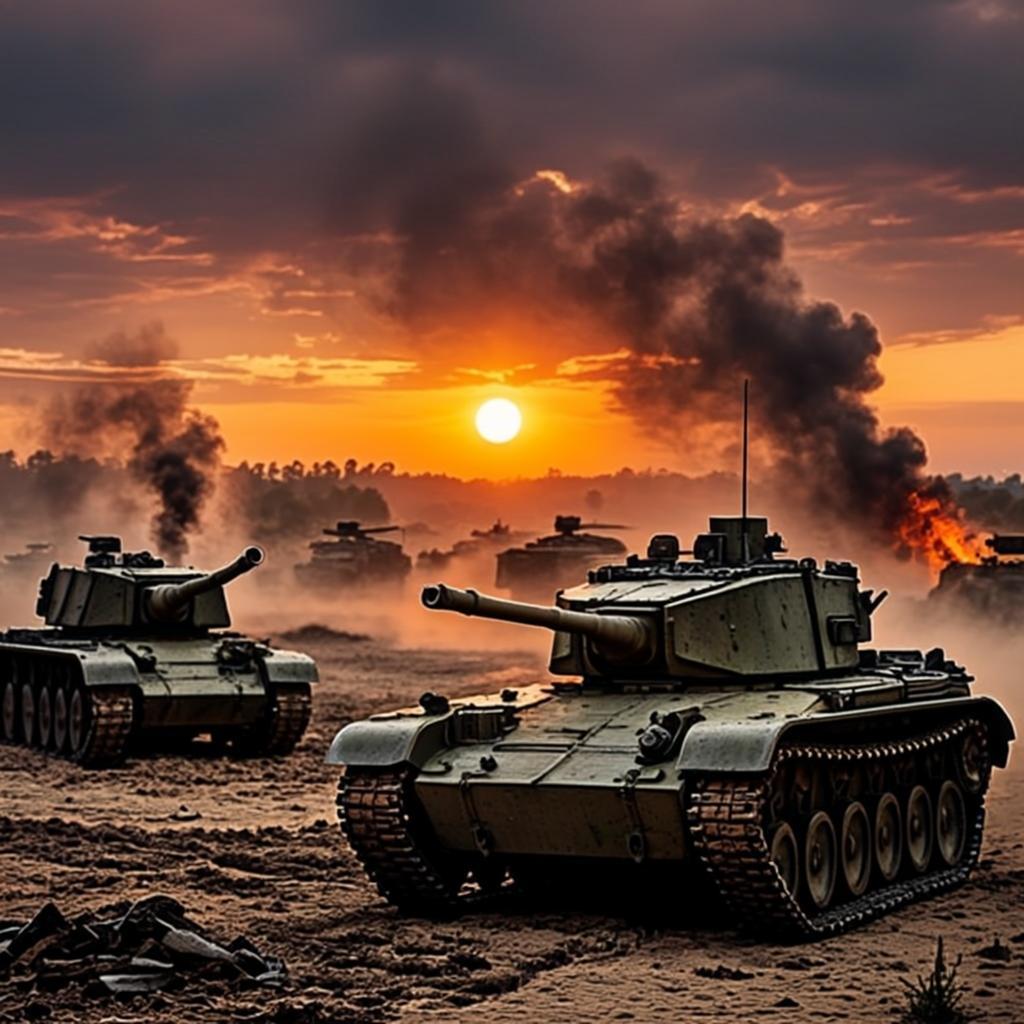
Middle East Geopolitics: Complex Dynamics and Regional Transformations
The Middle East continues to be a region of significant geopolitical importance and complexity. Understanding the interplay of regional powers, international interests, and local dynamics is essential for comprehending global affairs.
Regional Power Dynamics
The Middle East's political landscape is shaped by multiple competing interests:
Major Regional Powers
Traditional regional powers continue to vie for influence, with shifting alliances and strategic partnerships defining the landscape. Economic diversification efforts and modernization initiatives are transforming some nations while others face internal challenges.External Influences
Global powers maintain significant interests in the region, from energy security to strategic positioning. The balance of external involvement continues to evolve as global priorities shift.Non-State Actors
Various non-state actors continue to influence regional dynamics, complicating traditional diplomatic approaches.Economic Transformations
Energy Transition
As the world transitions toward renewable energy, oil-dependent economies are diversifying:Trade Routes
New trade infrastructure projects are reshaping commercial connections between the Middle East, Asia, and Europe, with significant geopolitical implications.Security Considerations
Regional security remains a primary concern:
Military Capabilities
Regional defense spending remains high, with nations investing in advanced military technologies and building domestic defense industries.Conflict Resolution
Various mediation efforts continue, with some success in reducing tensions between regional rivals.Maritime Security
Protection of vital shipping lanes remains a priority for regional and global powers.Humanitarian Concerns
Several ongoing humanitarian situations require international attention:
Looking Forward
The Middle East in 2025 is characterized by:
Understanding this complex region requires attention to its many interconnected dynamics and recognition of its diverse peoples and perspectives.
Advertisement
Responsive
Middle EastGeopoliticsInternationalPoliticsSecurity
Share this article
Advertisement
300x250
About the Author
GA
Geopolitical Analyst
Writer & Technologist
Related Articles
Categories
Advertisement
300x250